by
by 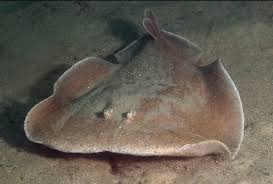
Quick Facts
- Voltage: 8V to 220V (depending on species).
- Common Species: Atlantic Torpedo (Torpedo nobiliana), Pacific Electric Ray (Tetronarce californica), and the Lesser Electric Ray (Narcine bancroftii).
- Habitat: Coastal waters and sandy ocean floors worldwide, from the surface down to 1,000 meters.
- Body Type: Thick, flabby, and disc-shaped with a powerful tail used for swimming (unlike other rays that “flap” their pectoral fins).
Biological “Batteries”
The most fascinating feature of these rays is their specialized electric organs, which are located on either side of the head.
- Electrocytes: These organs are made of modified muscle cells called electrocytes, stacked like a “pile of batteries.”
- Circuitry: In marine species, these cells are arranged in a parallel circuit. Because saltwater is highly conductive, a lower voltage can drive a high current to stun prey effectively.
- Control: The ray can control the discharge at will. They use these pulses to paralyze fish or ward off predators like sharks.
Comparison of Notable Species
| Feature | Atlantic Torpedo | Pacific Electric Ray | Lesser Electric Ray |
| Max Voltage | ~220 Volts | ~45 Volts | ~14–37 Volts |
| Max Length | 1.8 meters (6 ft) | 1.4 meters (4.6 ft) | 0.5 meters (1.6 ft) |
| Diet | Large bony fish | Anchovies, hake, kelp bass | Worms, small crustaceans |
| Temperament | Generally sluggish | Can be aggressive to divers | Shy, often stays buried |
Eagle vs Electric Stingray Video